SmarterEPC Showcases Innovation at EUSEW 2025
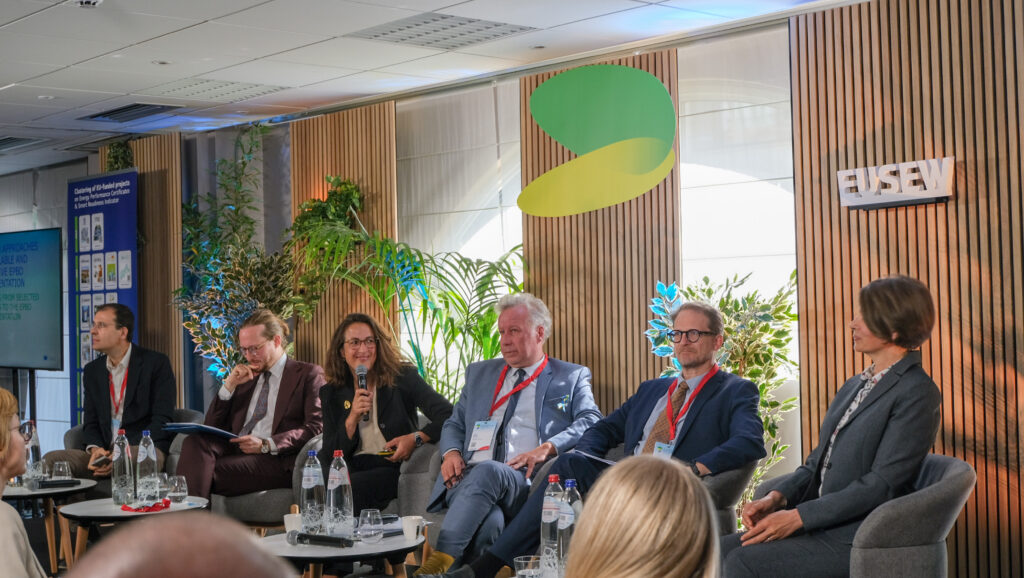
The SmarterEPC project marked a significant presence at the European Sustainable Energy Week (EUSEW) 2025, held in Brussels last week. A key achievement, best practices and tools to start implementing the EPBD IV at higher speed rates in the market. As SmarterEPC, we showcased the innovation we are bringing to combine the EPC and SRI in a unique solution.
EPC and SRI Current Coverage and Uptake Policies
The new SmarterEPC Deliverable is a pivotal report that offers a detailed, EU-wide analysis of the current status, challenges, and future pathways for Energy Performance Certificates (EPC) and the Smart Readiness Indicator (SRI). This deliverable is a key resource for policymakers, stakeholders, and market actors aiming to accelerate the digital and smart transformation of Europe’s building stock.
SRI & EPC on spot: SmarterEPC at the SRI Joint Event and SmartLiving EPC final event

On May 6–7, the SmarterEPC team joined key EU events dedicated to advancing the Smart Readiness Indicator (SRI) and modernising Energy Performance Certification (EPC) under the EPBD IV.
From the SmartLiving EPC and CHRONICLE final events to the SRI Joint Event and SRI-ENACT Conference, the community came together to share progress, tools, methodologies, and policy updates.
SmarterEPC Advisory Board Launched
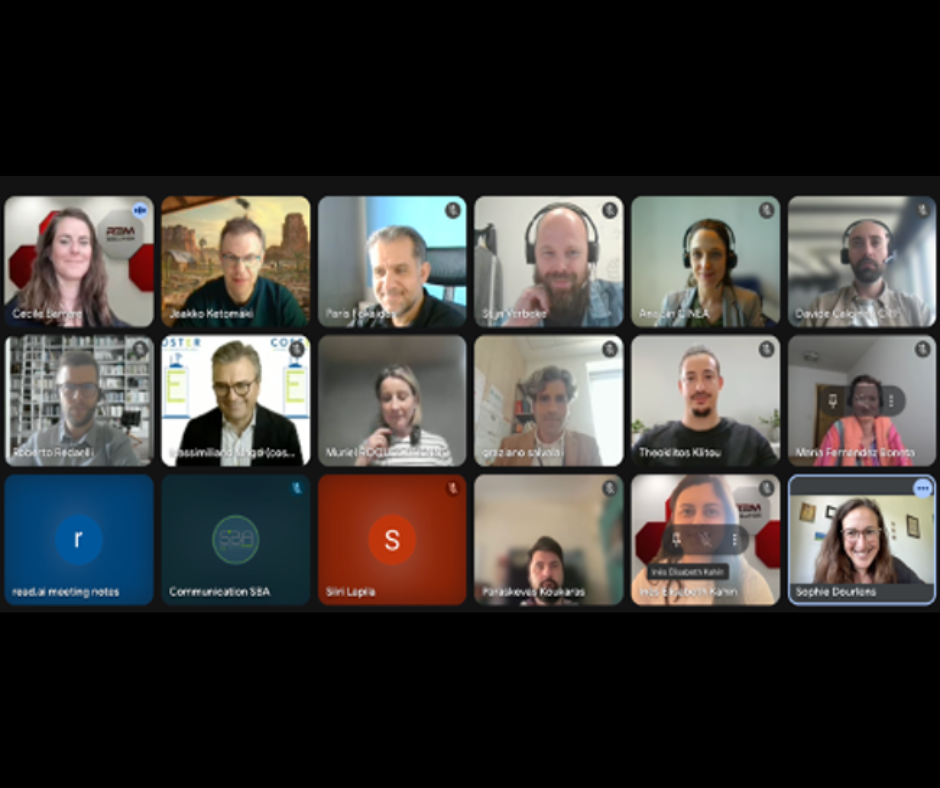
SmarterEPC launched its Advisory Board, sharing project updates and insights on new standards for SRI audits and energy assessments.
Smart Buildings: A New Integrated Methodology for EPC and SRI
SmarterEPC Joint Certificate is a new unified tool for EPC and SRI. The new White Paper presents a unified, user-friendly proposal for a certificate for the digital and sustainable future of EU buildings. Discover more.
The SRI – from an experimental to a regulatory instrument

Explore the Smart Readiness Indicator (SRI), introduced by the EPBD in 2018, through R2M Solution’s REHVA Journal analysis. Discover insights from the initial testing phase and expectations for national-level trials.
Financing Schemes for the Building Sector

With the Green Deal, the EU has set ambitious targets, particularly for the Building Sector. To finance this massive renovation, Sustainable Loans or Mortgages and Green Bonds are new financial schemes to support the sector. SmarterEPC partner, CRIF our specialist in green financing explains you the differences and all you need to know about the green finance.
Smarter EPC at 2nd SRI Joint Event
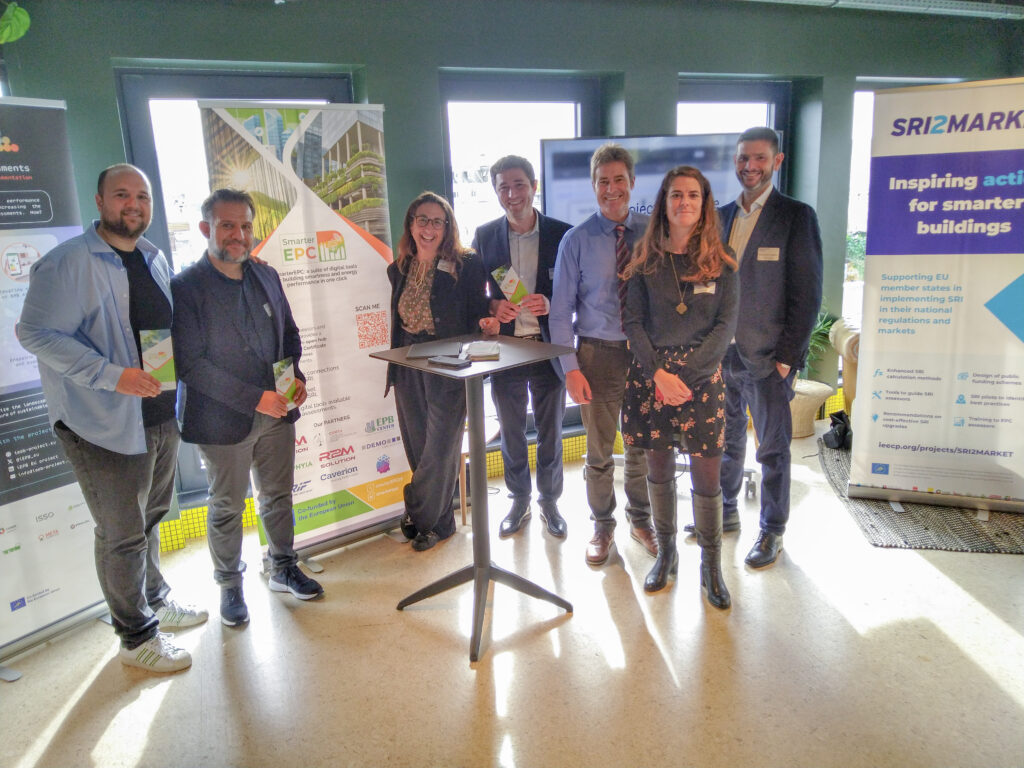
Policy, market and research experts gathered in Brussels to discuss progress in SRI testing on 8 October in Brussels, where The European Commission and the SRI2MARKET project organized the SRI Second Joint Event
Advancements in Energy Performance Tools: the new EPC Atlas
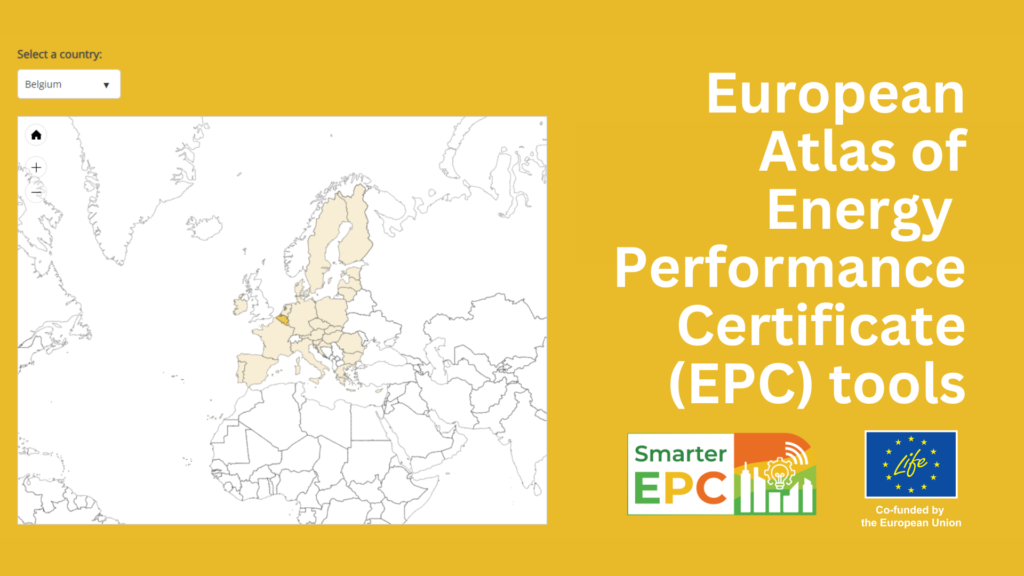
SmarterEPC launched EPC Atlas, the tool that provides a broad and comprehensive assessment of available tools for calculations of Energy Performance Certificates (EPC) and Smart Readiness Indicators (SRI). The EPC Atlas is a key tool for cataloguing and analyzing EPC Tools in the EU giving a solid base for European integration.
Developing EPCs with the NextGen EPC Cluster
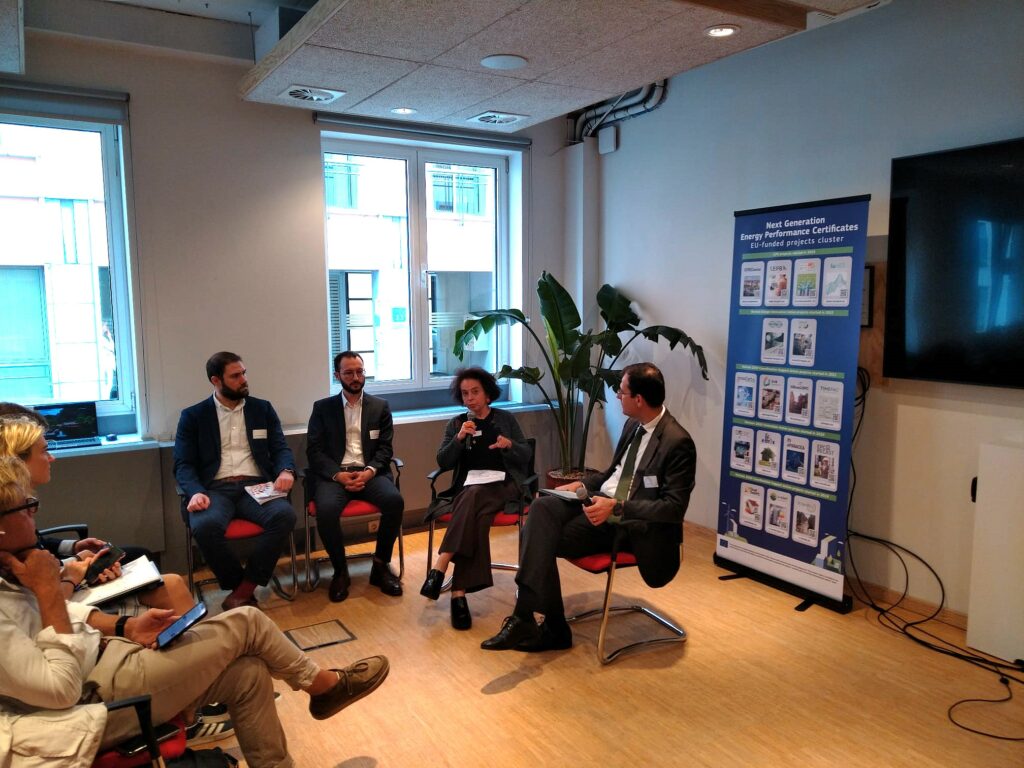
On May, SmarterEPC was present at the annually edition of the NextGen EPC cluster Conference in Brussels. This year the event focused alignment to the Energy Performance of Buildings Directive (EPBD) as recently adopted (May 2024) and its ambition to achieve a fully decarbonised building stock by 2050.