Developing EPCs with the NextGen EPC Cluster

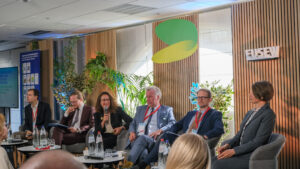
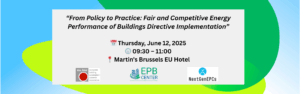
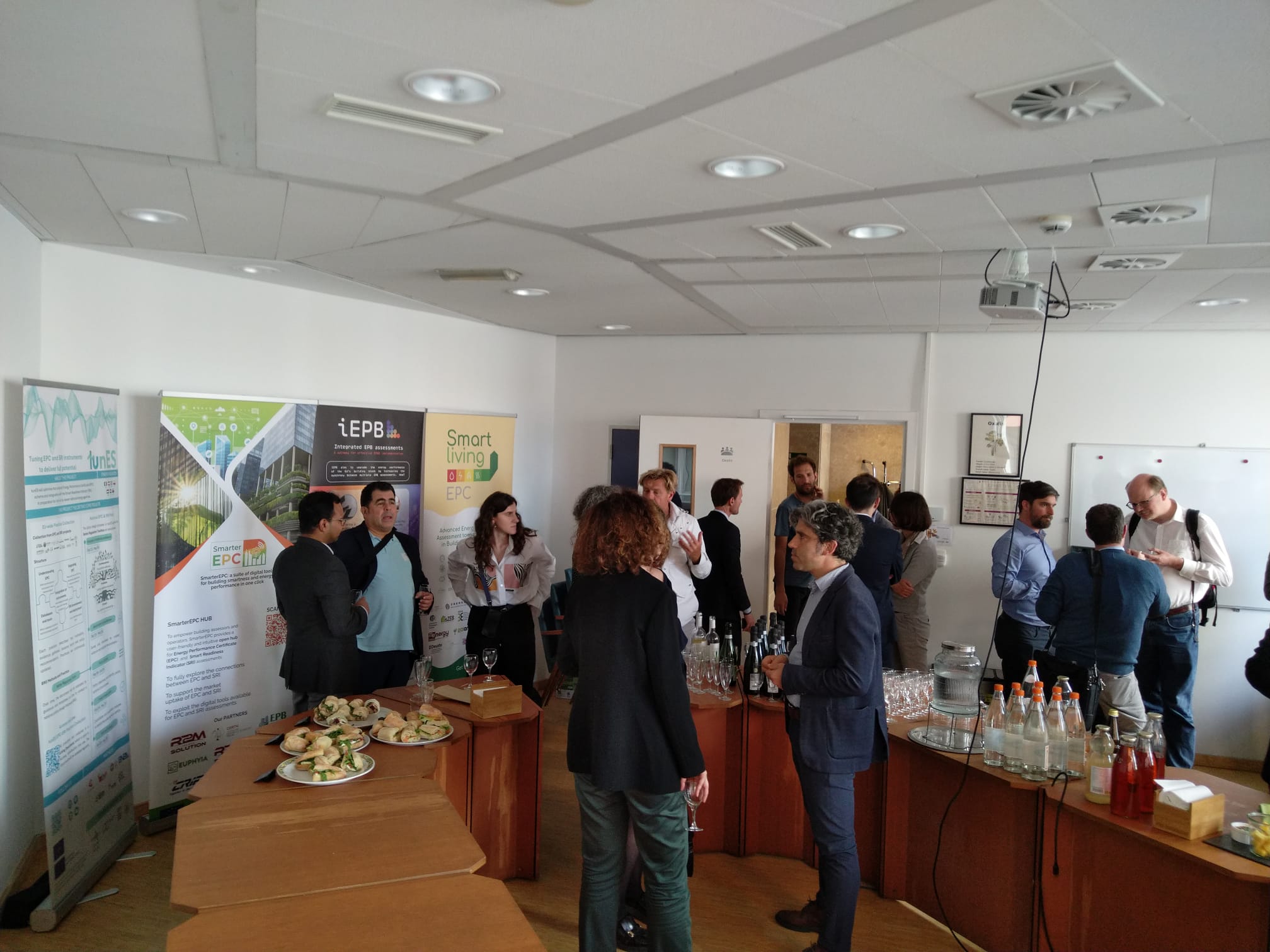
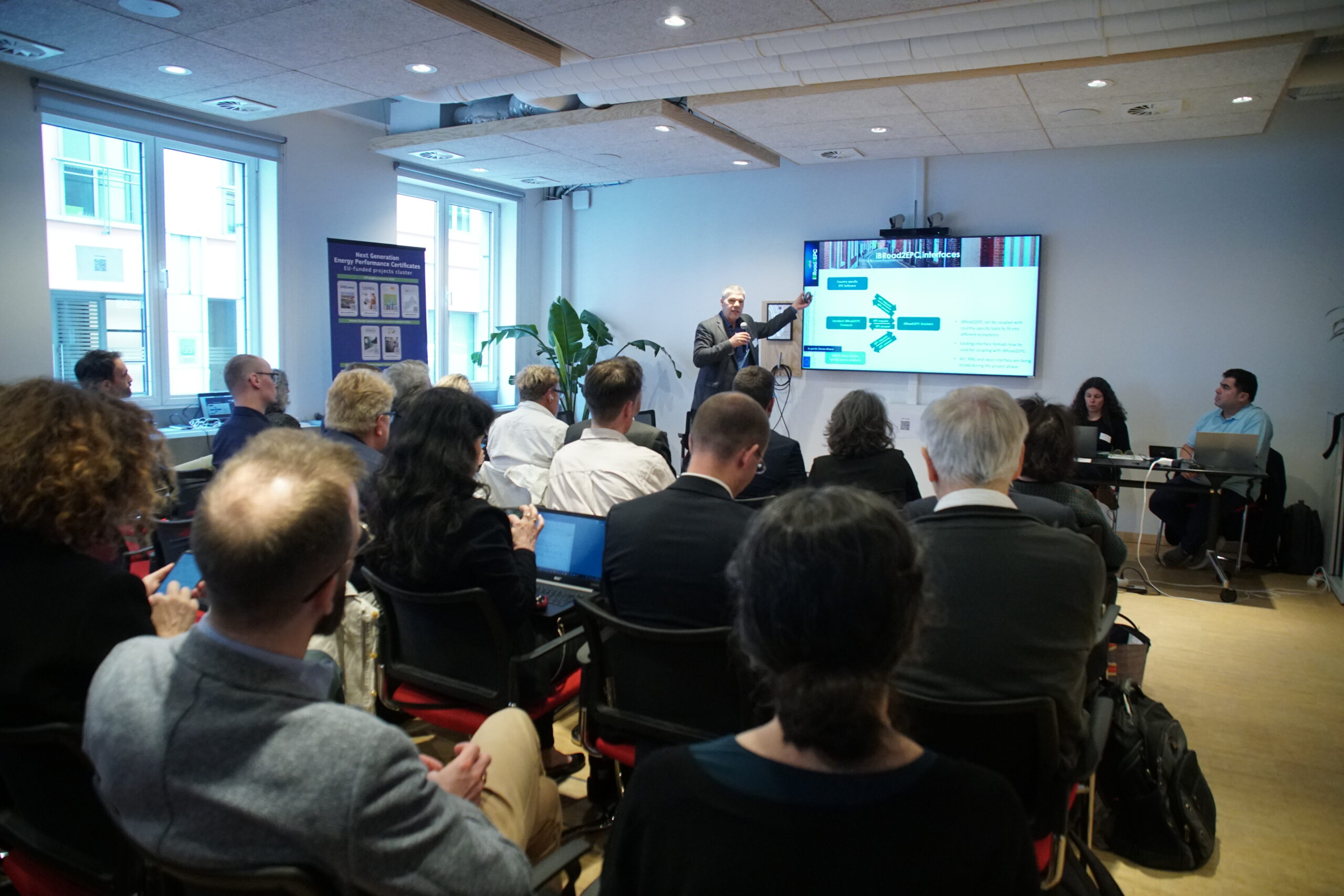
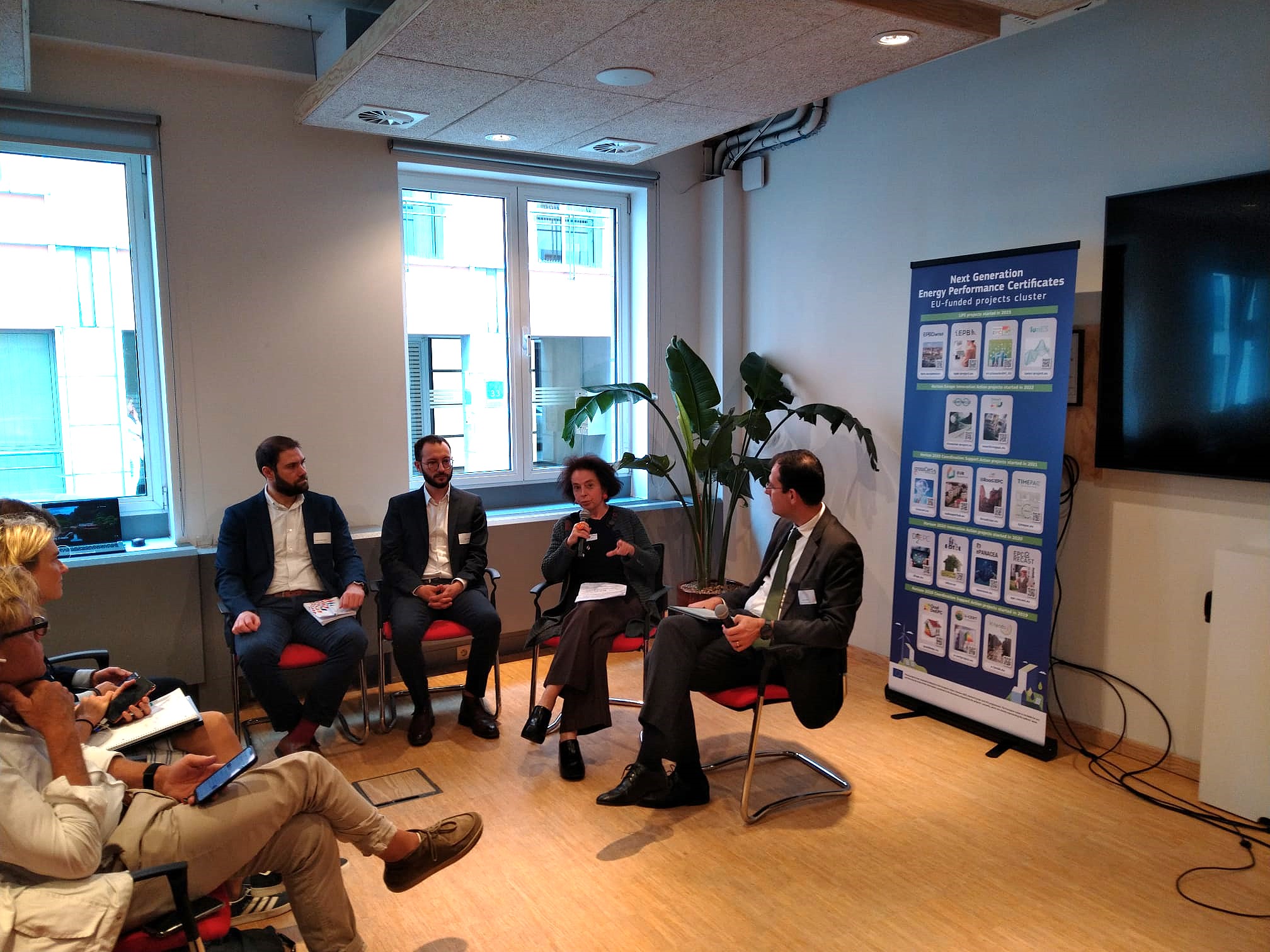
On May, SmarterEPC was present at the annually edition of the NextGen EPC cluster Conference in Brussels. This year the event focused alignment to the Energy Performance of Buildings Directive (EPBD) as recently adopted (May 2024) and its ambition to achieve a fully decarbonised building stock by 2050.

For SmarterEPC this Next Gen EPC Cluster event was  a special occasion to listen and delve into  the latest outcomes from 4 EU-funded projects working on advancing the energy performance certificate (EPC): Horizon 2020 iBRoad2EPC project, crossCert Project, EPC RECAST, and #EUBSuperHub –  in the framework of the existing EU policy and funding schemes for buildings (overview offered by officers of CINEA).

Why do we need the EPBD Recast and the effects of buildings in our lives

The challenge ahead for the EU building stock is massive: the EPBD IV intends to drive a revolution in Europe to address the energy and climate goals. Among all the EU buildings built before 2000, 75% have poor energy performance.

This means a lot of negative effects: high energy consumption (and bills!), medium to low thermal comfort for the inhabitants, paired with poor indoor air quality. Old buildings are also the cause of high levels of CO2 emitted in the air; over 30% of the total EU’s energy-related GHG emissions come from buildings. These effects affect the quality of life of all citizens especially in urban, crowded areas, as well as the real estate buying and selling.

The key role of EPCs to achieve EPBD targets

Several factors can make advance EPC which is considered an important key player for meeting the EPBD targets. The latest available know-how of both academic and operators in the building sector, together with evolved digital tools that link buildings’ energy performances with data for Renovation Roadmaps, financial data, smartness of buildings (SRI), and digital building logbooks (DBL), etc. can certainly be one among the instruments that can drive the change we aim to be part of.
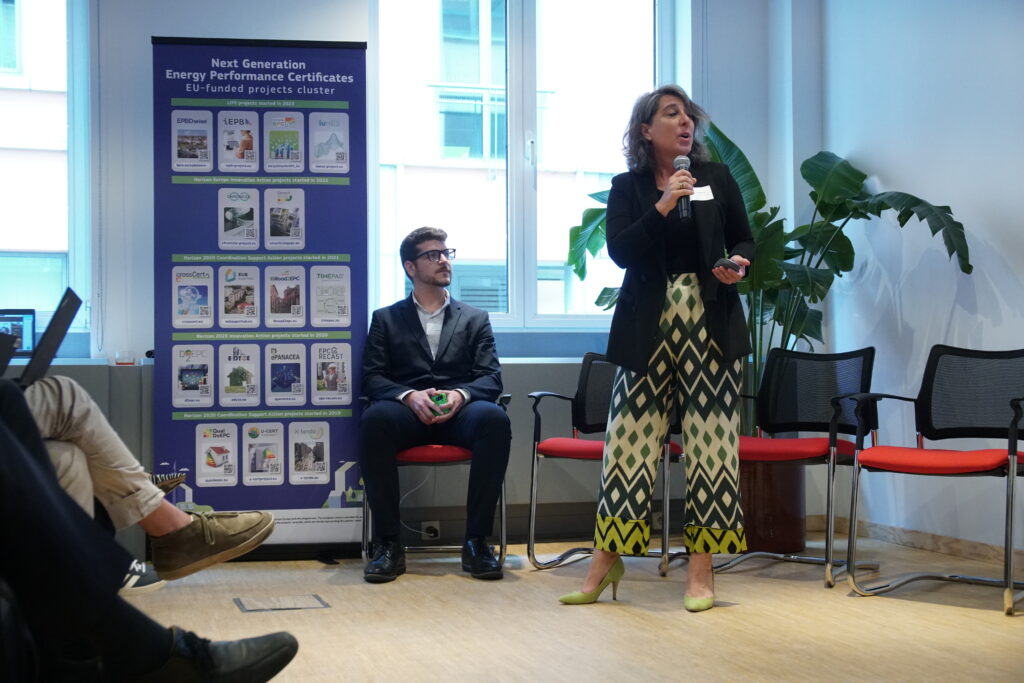
Projects discussed about proposals for pushing forward on decarbonization of buildings, especially the less energy performant ones, by giving access to professional operators (assessors, auditors, building managers, public officers) to high-quality EPC and SRI schemes supported by advanced digital tools (some derive by the same EU projects).

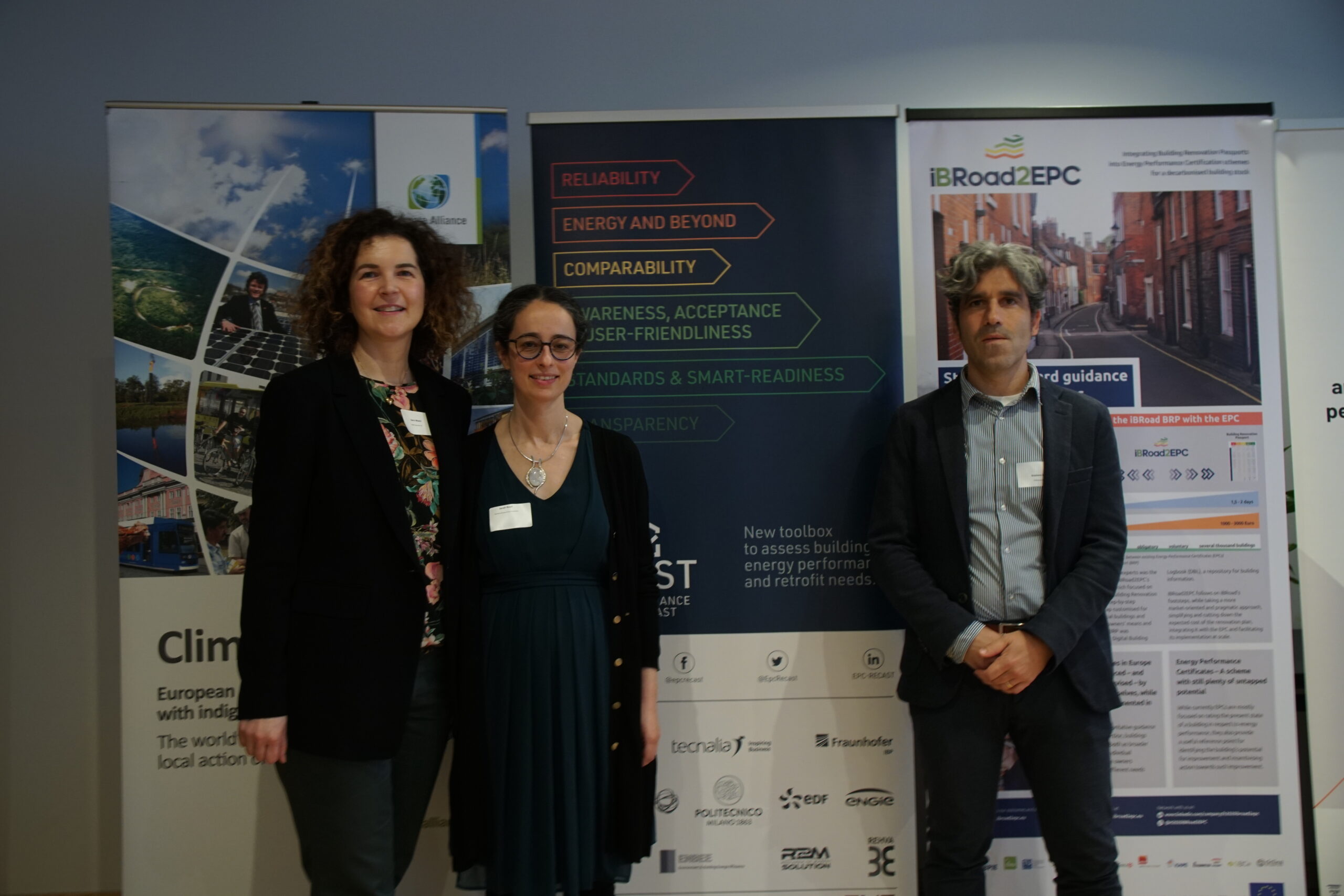
Thanks again to the SmarterEPC partners, Andrei V. Litiu (EPB Center) and Sara Momi (R2M Solution Italy) for being there!

SmarterEPC at Sustainable Places 2024

If you want to hear more about the NextGen EPC Cluster and SmarterEPC, we will participate in Sustainable Places 2024 in Luxembourg from 23 to 25 September. Register and come to the workshop “EPBD Implemented: NextGen EPC Cluster.”
Read more about the project

Or subscribe to our newsletter to stay updated with the latest developments of our projects.

By clicking Sign Up you’re confirming that you agree with our Terms and Conditions.

SmarterEPC

Integrating Energy Performance and Smart Readiness Indicator: Insights from assessors

SmarterEPC surveyed 25 building performance assessors to test the integration of Energy Performance Certificates with Smart Readiness Indicator assessments. The SmarterEPC methodology promises to streamline building audits under the revised EPBD, but assessors emphasise the need for clearer criteria, practical training, and digital tools to ensure successful implementation across Europe. Read what we found out.

Read More »
Observe

Some news from CIEMAT !

On 4 and 5 November, the 2nd URBAN MOME Network Conference was held in Barcelona under the theme “Towards efficient urban environments through modelling, measurement and control in the built environment.” CIEMAT participated through its Building Energy Efficiency R&D Unit, presenting the European OBSERVE project and reaffirming its leading role within the URBAN MOME Network. Coordinated by CIEMAT, the Network provides a platform for knowledge exchange on modelling, measurement and control in the building sector, with the objective of improving

Read More »
EPCs in Italy
SmarterEPC

The state of the EPCs in Italy: progress and challenges

The Energy Performance Certificate (EPC), introduced in Italy in 2005 with the 2002 EPBD Directive, is a fundamental tool for building management for owners, operators, and institutions alike. Aside from the benefits, what is the current state of EPCs in Italy? Every year, ENEA publishes a report on EPCs to analyze the state of the art of this certification, which is still not fully exploited in all its potential.

Read More »
Observe

Some news from ENEA

Over the past months, ENEA has been contributing to the OBSERVE project by supporting the development of a structured assessment approach to describe national building data ecosystems and inform the definition of national Building Stock Observatories (nBSO) archetypes and their key functional building blocks. ENEA has been actively involved in stakeholder engagement activities, including the collection and evaluation of inputs from national stakeholders and European policymakers. These efforts help improve the understanding of institutional needs and current practices related to

Read More »
Observe

Some news from Eurac Research

Over the past months, Eurac Research has contributed to stakeholder engagement strategies and participated in knowledge-sharing activities, including presenting synergies with related initiatives.  In parallel, we have supported the mapping of building stock data and carried out policy analysis for Deliverables D2.1 and D2.2 (project deliverables focusing on stakeholder needs) and requirements for establishing national Building Stock Observatories, and on policies and existing tools at national and EU level, respectively ensuring alignment with EU frameworks and Member State priorities.  These

Read More »
Observe

Some news from Euphyia Tech LTD

“Over the last months we had contacted Ministry of Energy Commerce and Industry of Cyprus to introduce our project and the roadmap, provide them the WP2 and WP4 questionnaires and cooperate to receive help from the lead public authority regarding our project. We had a meeting and after the meeting we received feedback from our official authority.  We received feedback with completed questionnaires and comments for projects roadmap for Cyprus and updated the partners accordingly. The comments were; Key remarks

Read More »