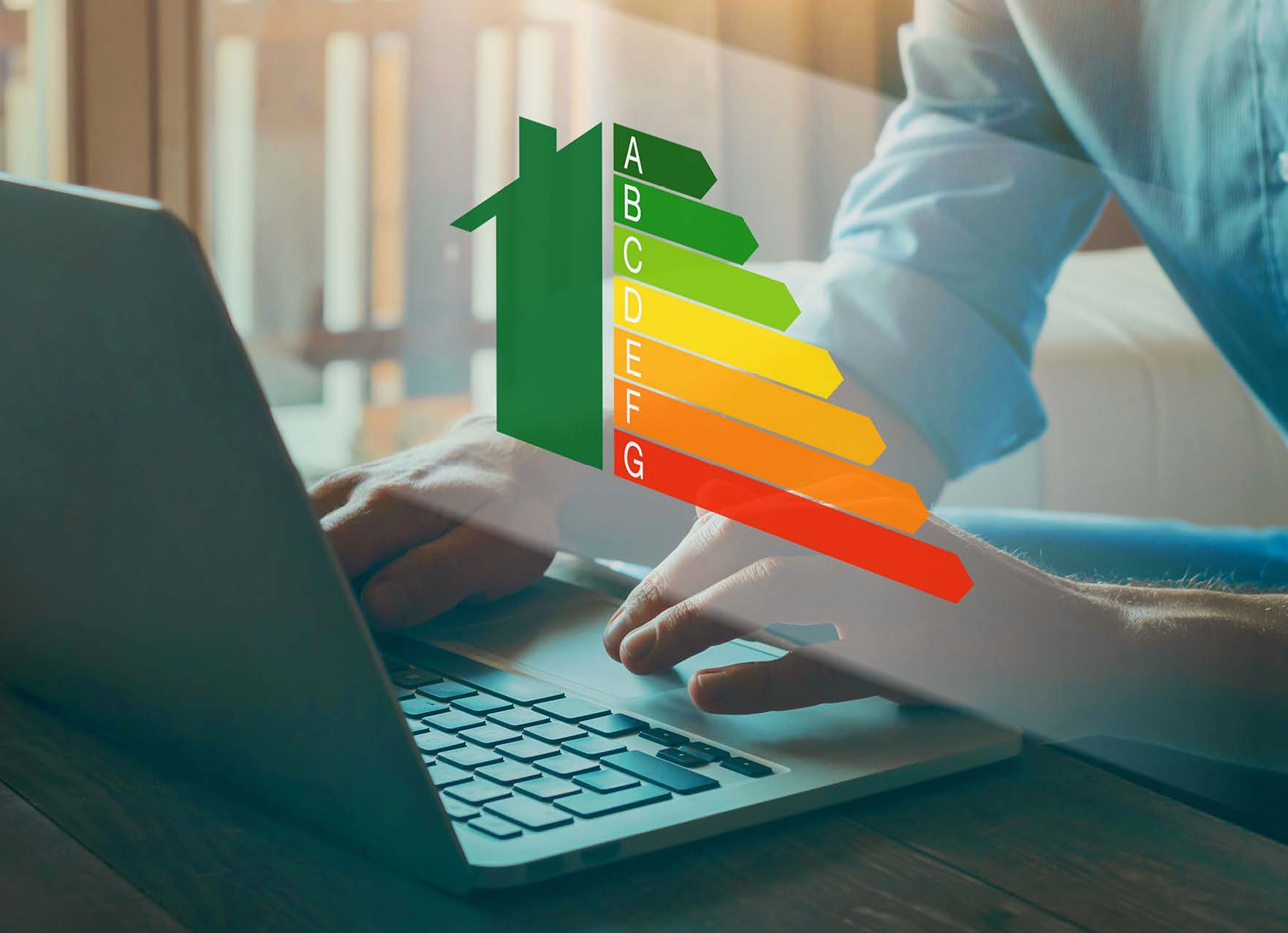
As Europe accelerates efforts to reduce emissions and improve the energy performance of its buildings, the need for smart, transparent, and actionable evaluation tools is more critical than ever. The Energy Performance Certificate (EPC), a cornerstone of EU building policy for over two decades, is now being complemented by the Smart Readiness Indicator (SRI), a newer certificate that measures a building’s digital and technological capabilities.
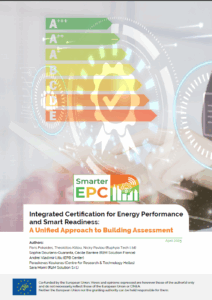
In response to the growing complexity of building assessments, the SmarterEPC project proposes a forward-thinking solution: a joint EPC and SRI certificate that brings together the core insights of both tools into a single, user-friendly, and EPBD IV-aligned document. A full overview of this innovative methodology is now available in the SmarterEPC white paper, which offers valuable guidance to Member State authorities, energy assessors, and professionals involved in implementing the recast EPBD 2024.
A Joint Certificate that meets Regulatory and Practical Needs
The joint certificate has been designed in full compliance with the requirements set by the recast Energy Performance of Buildings Directive (EPBD 2024) and the SRI Delegated Regulation. It includes both mandatory indicators, such as energy performance class, calculated energy use, and smart readiness class, and optional fields that can be customized to address national priorities or specific stakeholder needs.
But more than simply merging EPC and SRI data into a single document, the joint certificate also introduces a new design philosophy. The document is structured to clearly distinguish between energy performance and smart readiness metrics while enabling readers to understand key insights at a glance. From a compliance perspective, this means quicker access to essential information. From a practical standpoint, it supports better decision-making across multiple levels of expertise.
Visual Design: Bridging Complexity and Usability
Creating a user-friendly joint certificate is not merely an aesthetic consideration — it is a functional necessity. Today’s stakeholders include a diverse group of users, from technical professionals such as certified assessors and architects, to non-expert building owners, tenants, and real estate investors.
The visual layout of the SmarterEPC joint certificate is designed to bridge the knowledge gap between these audiences by presenting complex technical data in a format that is clear, intuitive, and engaging. Colour-coded indicators, bar graphs illustrating energy consumption, and radar charts visualising smart readiness scores allow users to grasp performance metrics quickly and effectively.
This approach ensures that the certificate is not just a static compliance document, but a dynamic communication tool—equally suitable for EU policy implementation and practical use on the ground. It aligns with the broader EU goals of digitalisation, citizen engagement, and transparency in energy-related information.
A Modular, Flexible Tool for All Member States
The joint certificate has been built on three guiding design principles:
- modularity,
- standardisation,
- user-centricity.
Its modular structure allows Member States to integrate national indicators, climate-specific variables, or additional data layers without affecting the overall logic of the certificate.
At the same time, the format adheres to EU-standardised metrics and terminology, making it easier to compare building performance across countries and regions. For assessors and national authorities alike, this brings significant benefits in terms of scalability, harmonisation, and policy tracking.
Crucially, the design anticipates future needs. Interactive, digital versions of the certificate could allow users to explore specific metrics in more detail or simulate the impact of potential renovations or smart technology upgrades.
Supporting Policy and Practice in the EPBD 2024 Era
The joint EPC and SRI certificate as a methodology supports the practical implementation of the EPBD 2024 in the EU Member States and contributes to the broader policy goals of the European Green Deal. It enables energy professionals to deliver clear, transparent performance assessments. It provides building owners with a better understanding of how to improve comfort, efficiency, and smart functionality. It offers policymakers a reliable tool for monitoring progress toward nearly zero-energy and zero-emission buildings.
From compliance to action, from energy efficiency to digital readiness, the joint certificate provides a unified framework that reflects the evolving reality of the built environment.
Download the White Paper
If you are a policymaker, certified energy assessor, or building technology stakeholder involved in the rollout of the EPBD 2024 and the Smart Readiness Indicator, this document is for you.
Be part of the movement to make building certification in Europe smarter, clearer, and future-ready.